


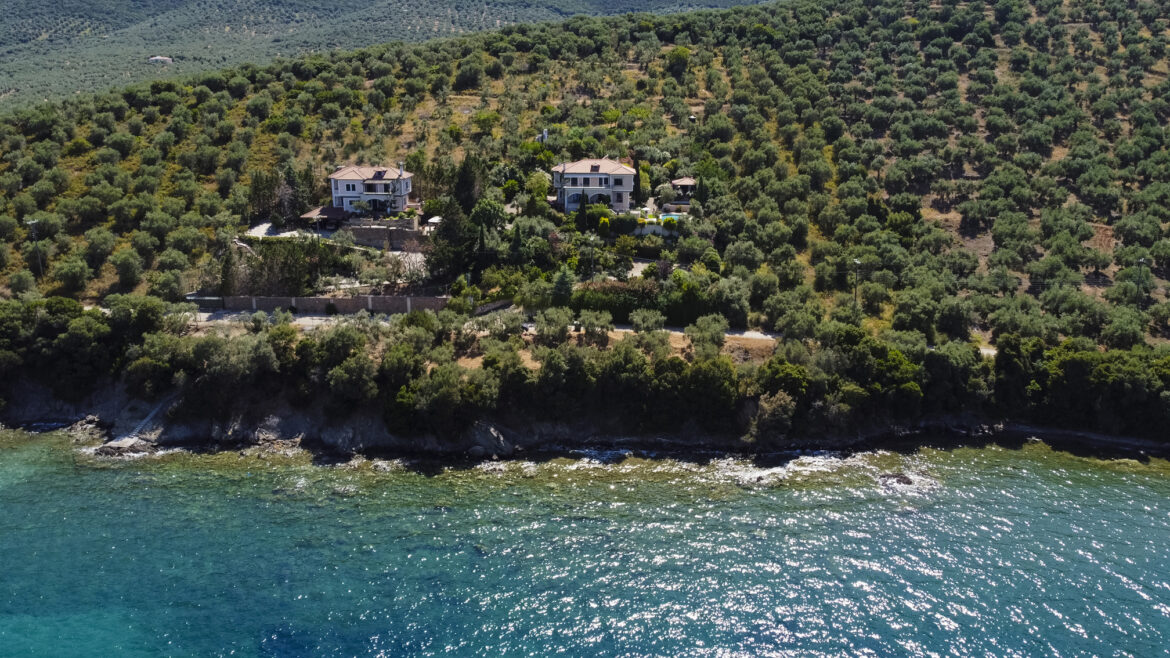
Travelers arriving in Nies, Magnesia often notice immediately that accommodation is not simply a functional aspect of their journey, but a fundamental part of the overall travel experience. The settlement is located along the calm waters of the Pagasetic Gulf, where the sea is typically gentle and the atmosphere moves at a naturally unhurried pace. In this environment, places to stay are not conceived as isolated tourist infrastructure, but as organic extensions of the landscape and the everyday life of the area.
Options range from simple rental rooms embedded within residential corners of the village to more recently developed, contemporary-style accommodations that prioritize comfort, privacy, and independence.
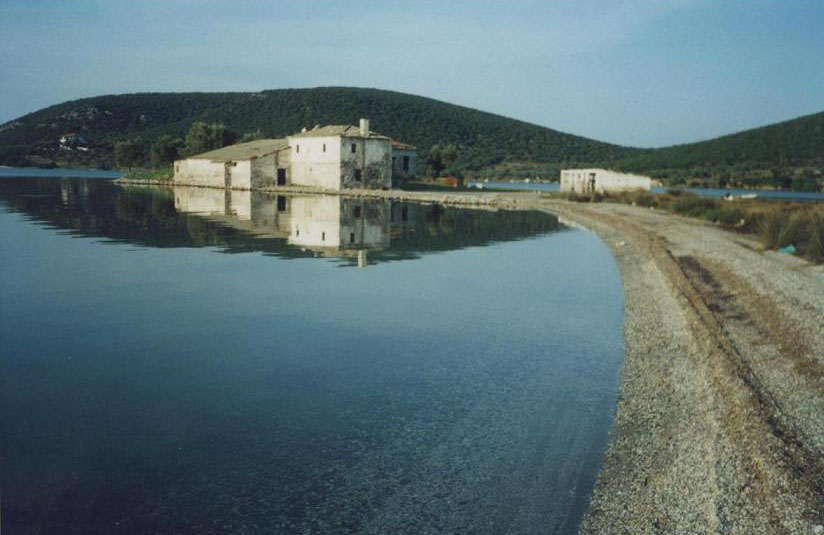
Nies
Despite this variety, nothing feels oversized, artificial, or disconnected from its surroundings. Instead, every structure appears to respect the scale, rhythm, and visual identity of the coastal environment, blending quietly into the scenery rather than competing with it. This sense of balance is one of the defining characteristics of hospitality in Nies, where even modern interventions tend to follow the principles of simplicity and environmental harmony.
In recent years, the evolution of short-term rentals has gradually transformed the way visitors experience accommodation in Nies. Many traditional houses, once used exclusively for permanent residence, have been carefully renovated and repurposed into guest-friendly spaces, frequently listed on international platforms such as Airbnb. These properties often retain their original architectural essence, preserving stone walls, wooden ceilings, and simple structural lines that reflect the identity of the region. Rather than aiming for luxury or stylized perfection, they tend to emphasize authenticity, warmth, and a sense of lived experience. Interiors are often modest but functional, with natural light, soft colors, and practical furnishings that encourage comfort without excess. Balconies and terraces frequently open toward either the sea or the quiet internal streets of the settlement, allowing guests to experience daily rhythms such as morning light, evening breezes, and the subtle sounds of village life. Alongside these independent stays, small family-run hotels continue to play an important role in shaping the hospitality landscape. These establishments are typically modest in scale, avoiding the characteristics of large resorts or commercial complexes. Instead, they focus on personalized service, direct human interaction, and a strong connection to local identity. Guests often benefit from homemade breakfasts prepared with regional ingredients, as well as informal guidance from hosts who are deeply familiar with the area’s beaches, walking paths, and lesser-known spots that are not always documented in conventional travel resources.
For travelers seeking greater autonomy and longer-term flexibility, apartments for rent represent another significant component of the accommodation offering in Nies. These units are particularly suitable for families, couples, or individuals who prefer to structure their own daily routines without the constraints of hotel schedules. Typically equipped with kitchens, dining areas, and comfortable living spaces, they allow visitors to integrate everyday habits such as cooking, relaxing, or working remotely into their stay. Many apartments also feature balconies or terraces with views of the sea, surrounding hills, or traditional rooftops, reinforcing the continuous connection between interior living and exterior landscape. This type of accommodation encourages a slower, more self-directed approach to travel, where visitors can choose to engage with the destination on their own terms. At the same time, the presence of nearby central points, small local shops, cafés, and waterfront promenades ensures that convenience is never far away. This proximity allows travelers to maintain a balance between privacy and participation in local life, shifting easily between solitude and social interaction depending on personal preference and mood.
Overall, what distinguishes the accommodation landscape in Nies is not its scale or diversity alone, but the way in which it remains deeply integrated into the identity of the place. Whether in a small hotel, a renovated traditional home, or a modern apartment, the emphasis consistently remains on harmony with the environment and respect for the natural and cultural context. Architectural choices tend to favor simplicity, with low-rise structures, natural materials such as stone and wood, and soft, neutral color palettes that reflect the tones of the surrounding landscape. Outdoor spaces, shaded areas, and open terraces are commonly incorporated, blurring the boundary between indoor comfort and outdoor experience. Life in Nies itself follows a similarly gentle rhythm, shaped by the presence of the sea, the quality of light, and the slow unfolding of daily activity. Mornings often begin with soft reflections on still water, while afternoons carry a quiet warmth that encourages rest and contemplation. Evenings gradually transition into a calm atmosphere where lights appear softly across the settlement and the coastal horizon becomes more subdued. In this setting, accommodation becomes more than a place to sleep; it becomes a way of participating in the rhythm of the environment, where time feels less structured and more fluid. Ultimately, Nies offers a form of hospitality defined by subtlety, continuity, and presence, appealing to travelers who value atmosphere, authenticity, and a deeper sense of connection to place.